
LIFE DESIGN for teens PROGRAM · SUMMER 2026
The Skills Teens Need Before College Prep.
A 6-week program that gives rising 10th and 11th graders self-knowledge, life design and planning skills, and real tech and execution skills to thrive — before the SAT, AP, and admissions pressure hits.
The problem
The system wasn't designed for this.
82%
of managers say Gen Z lacks needed soft skills
Source: Harris Poll
56%
of high schoolers report persistent sadness: 20yr high
Source: CDC
55%
of teens hang out with friends 2+ times weekly (20+yr low)
Source: Atlantic
86%
of Gen Z report "menu anxiety" — overwhelmed by too many choices
Source: Business Insider
And it's not the kids' fault. Our schools were built to produce workers for the industrial economy — not to help teenagers figure out who they are and where they're going.
Sound familiar?
Which of these is your teen navigating?
These days, Bay Area parents can do everything right — and still watch their teen drift. These are the patterns we see most often.
"The Life Design Program addresses all three of these — in six weeks, with a structured methodology that has produced measurable outcomes."
The transformation
What changes for your teenager in the "Designing High School" program.
This isn't about adding more to your teen's plate. It's about changing the relationship they have with their own life.
"I don't know what I want to do. (And I'm not really sure how to get started figuring it out.)"
Waiting for someone to tell them the path (what classes to take, what activities to explore, etc.) Getting stuck.
Resume-building and accolade-chasing without real self-knowledge. Later, motivation and energy are drained. College essay writing is like pulling teeth (and ineffective).
Reactive, high stress, some missed opportunities (and deadlines). Academic performance lags, and patterns of last minute work cause burnout.
Anxiety, limited confidence with practical skills (especially financial, social/soft skills). Transition to college, and adulting, is slow.
"I know what matters to me and why. (And I've got a solid system to help me find my way forward.)"
Clarity, a dynamic plan they built, budding strategic planning skills and the ability to think in prototypes
A strengths-based identity that sticks. Positive spiral into exploring and building. And later, an authentic narrative that naturally fuels powerful admissions essays.
Proactive — designing what comes next. Time and energy allocation is intentional. Learning (and grades) strengthen as a robust system starts to replace cramming.
Academic & practical ability synergize, expanding confidence. Accelerated readiness for greater autonomy, stronger decision-making, and college success.
The program
"Designing High School": Six weeks. Six transformations.
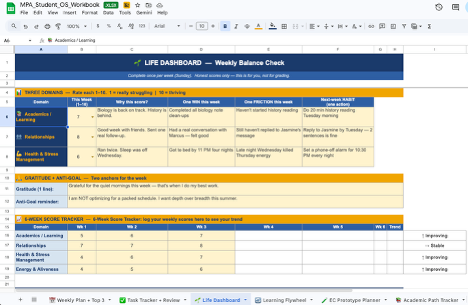
Each session builds on the last. Students leave with a complete Student OS — a personal system for decision-making, planning, and finding direction, that works long after the program ends.
The MPA Framework
A self-reinforcing system for life design
The experience
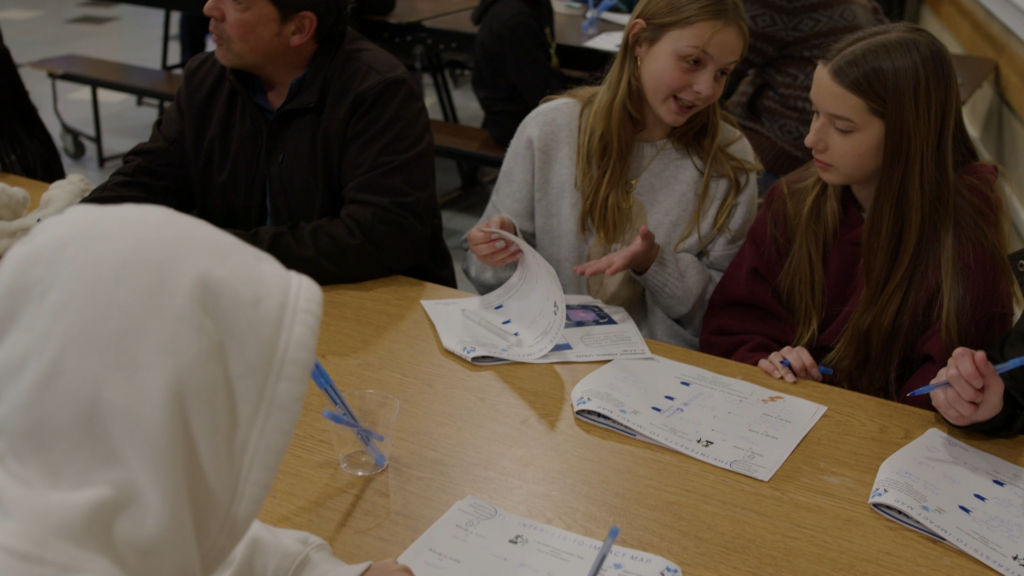
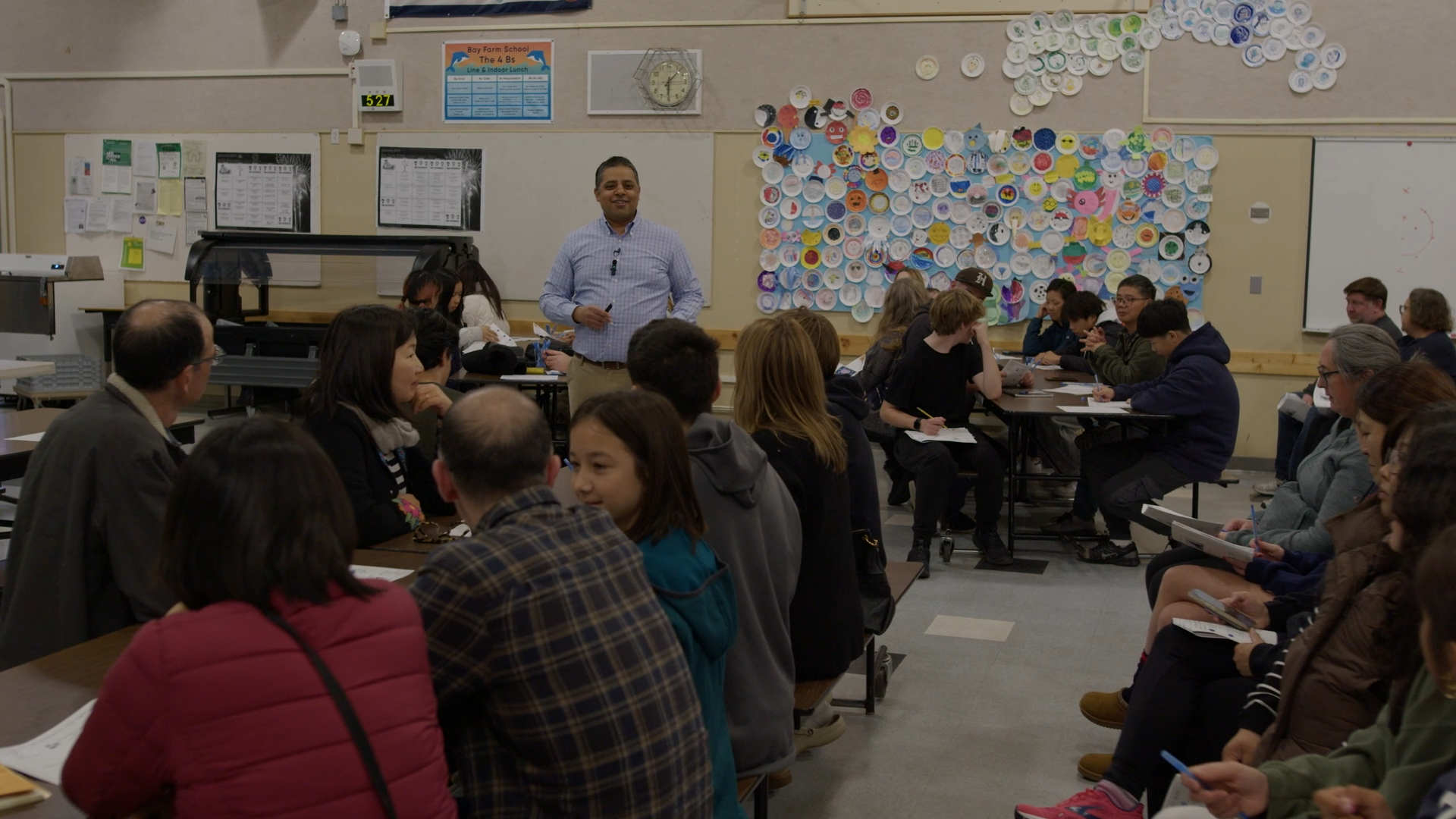
Here's what a session of Designing High School actually looks like.
Each week and each session follows the same rhythm. Students know what to expect. The structure creates safety and focus — which is what makes the real work of exploration and skill-building possible.
Your coach
Your guide for the journey

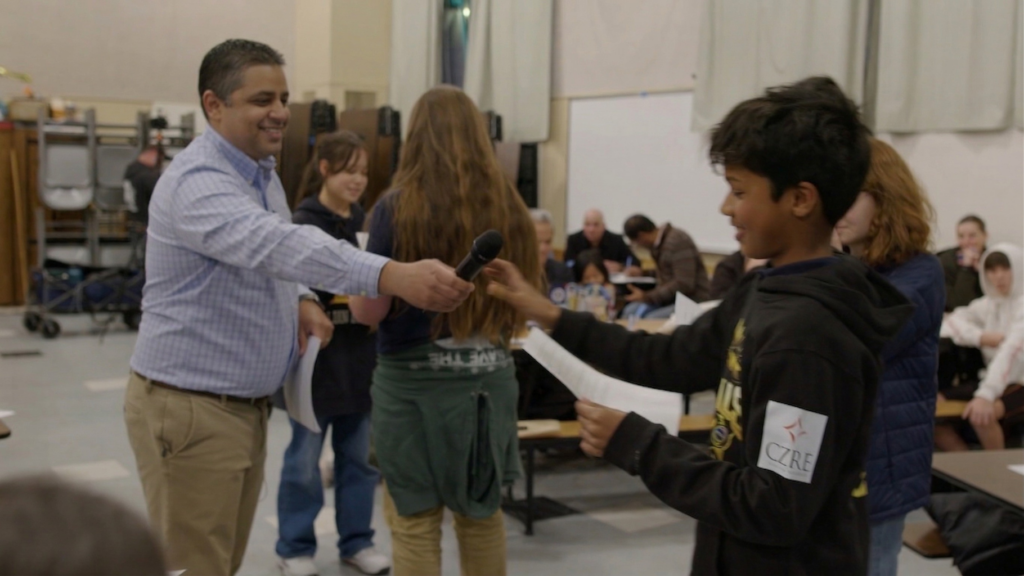
Neil Dandavati
Life Design Coach · Digital Curriculum Designer · Former SFUSD Teacher
Before building Master Plan Academy, Neil spent years teaching life design in San Francisco public high schools — developing and pressure-testing the methodology that sits at the core of this program. Students from those classes have gone on to UC Berkeley, UCLA, and other selective universities — not because the program was admissions coaching, but because teenagers who know themselves write better essays, make better choices, and show up differently in every room that matters.
What worked in the classroom has since been rebuilt for 2026: updated with AI prompt packs and responsible AI fluency, integrated with real execution tools like Google Suite, Sheets, Miro, and digital calendaring, and enhanced with the latest research on what actually drives self-motivated, resilient teens. The result is the Student OS — a personal system that students build over six weeks and use for life.
- Harvard Kennedy School, Master of Public Policy
- UC Berkeley, BA Economics & Political Science
- Former SFUSD High School Teacher — life design curriculum, Burton High School
- 84% mastery rate against rigorous multi-state standards (~250 directly instructed students)
- District-wide curriculum partnership with Pearson Education — 2,000+ students reached
- Symantec Award for Innovation in Education
- Kaiser Permanente Strategy Consultant · Dukakis Governor’s Fellows Program
Common questions
Everything you're wondering about.
Parents who are ready to apply can skip this section and book your free call. Parents who need more detail before committing will find it here.
My kid is busy. How much time does this take?
90 minutes on Saturday mornings plus 30 - 40 minutes of independent learning and application on our course portal between sessions. The program also includes one 30 minute 1:1 virtual coaching session that parents can join. We designed the program to not just it around sports, AP coursework, and existing commitments — but to enhance how teens go about selecting and taking part in them.
My kid doesn't think they need this. How do I get them interested?
Bring them to a free intro call. Students who "don't need it" are often the ones who get the most out of it — they just need to hear the framework directly rather than have it filtered through a parent. Most students who resist the idea before the call are enrolled by the end of it.
Is this therapy? A tutoring program?
Neither. Designing High School is a structured life design and executive function program. We are not addressing mental health conditions — that's the work of a licensed therapist. Instead, we draw on disciplines including design-thinking, life coaching, and personal finance and combine them with insights on teen success backed by research and the experience of a national teaching award winner. We are building self-knowledge, decision-making skills, and execution systems. Think of it as the operating system that makes everything else — including therapy, tutoring, and admissions coaching — work better.
How is this different from a leadership camp or a college prep program?
Leadership camps give you an experience. College prep programs give you a deliverable. The Life Design Program gives you a methodology — a repeatable system for making decisions about your own life that you own and use long after the six weeks are over.
The difference shows up in what your teen walks away with. After a leadership camp, they have memories and maybe a certificate. After college prep, they have a polished application. After the Life Design Program, they have a written personal strategy, a Student OS they built themselves, and a framework for every major decision they'll face in high school, college, and beyond.
This isn't a program about building character through challenge or checking boxes toward college. It's a structured methodology — the same kind of rigorous goal architecture used in high-performing organizations — applied to the question of how a teenager figures out who they are and what they're actually building toward.
What equipment and setup does my teen need to participate?
The Life Design Program is a live, interactive experience — students participate in group discussions, work in shared files, complete typed exercises, and engage in breakout conversations with classmates. Here's what your teen needs before the first session:
Device & Internet
- Desktop computer, laptop, or Chromebook — ideal
- OR iPad or tablet with a connected keyboard and mouse — minimum acceptable setup
- Reliable internet connection
- A phone is not sufficient for participation
Accounts & Software
- A Gmail address and active Google Suite access — Google Docs, Sheets, and Drive are core to the program's tools and deliverables, including the Student OS workbook. If your teen doesn't have a Gmail account, setting one up takes about five minutes.
AI Tools
- We recommend Claude Pro (~$20/month) for its strength in writing, reflection, and structured thinking tasks. Other platforms including ChatGPT are compatible. Free plans can work but paid plans offer meaningfully greater capacity for the learning and productivity work we do together.
- All AI use is governed by MPA's AI Integrity Usage Policy, which students review and agree to at enrollment — emphasizing responsible, source-supported, and academically honest use.
Space
- A dedicated space where your teen can speak freely, engage with the group, and give the session their full attention — not a shared common area or the backseat of a car.
What if my teen misses a session?
Every student receives a session recording and has access to session slides and tools. The cohort is small enough that nobody falls through the cracks. If your teen misses a session, Neil follows up directly to check in via email.
Will this help with college essays?
Most college essays are weak because they're written backwards — the student picks an activity, then invents a narrative around it. The Life Design Program flips that sequence entirely. Students start by mapping their genuine values, strengths, and sources of energy. They use that foundation to prototype activities, areas of study, and summer opportunities that actually fit who they are. Over six weeks, that process builds a strengths-based identity — a clear, honest picture of what lights them up and why — that compounds. Students who know what they're building toward naturally pursue more of it, which generates the kind of purposeful trajectory that produces genuinely compelling application narratives.
By the time your teen sits down to write their essays, they're not staring at a blank page wondering what to say. They're choosing which part of a real story to tell.
What does the 1:1 coaching session involve? Can parents join?
The 1:1 session is a 45-minute conversation between Neil and your teen, typically held in the final two weeks of the program. It focuses on your teen's personal strategy deck — reviewing the plan they've built, sharpening their goals, and identifying concrete next steps heading into the next semester. Parents are welcome to join for all or part of the session. Many families use it as a shared check-in where the teen presents what they've built — which tends to be one of the more meaningful conversations a family has about their teenager's future.
Can we book additional coaching sessions beyond the included session?
Yes. Families who want continued support after the program (or additional support during the program) can book individual coaching calls with Neil directly. Additional sessions are 45 minutes at $150 — available to current and alumni families. These work well as semester check-ins, decision-making sessions around course selection or summer planning, or simply a space for your teen to pressure-test what they're working on with someone outside the family.